Source Spray Painted Steel Shifting Trolley for Warehouse, Retail, and Office
Compare 30 spray painted steel shifting trolley options featuring custom sizes, swivel wheels, and CE certification. These industrial carts support heavy material transport in warehouses, retail spaces, and construction sites with folding or disassembly capabilities.
Key considerations
Products List




Comprehensive Sourcing Guide
Strategic Sourcing Guide for Spray Painted Steel Shifting Trolleys
Understanding the Technical Architecture of Industrial Trolleys
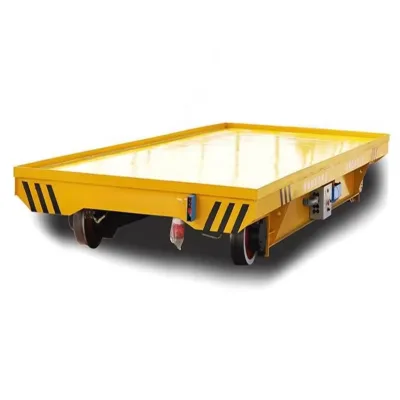
When sourcing a spray painted steel shifting trolley, the primary objective is to identify equipment that balances structural integrity with operational flexibility. The core material specification for these units is consistently identified as steel, specifically Q235 steel in many industrial configurations. This grade of steel provides the necessary tensile strength to withstand the rigors of heavy material transport while maintaining a manageable weight profile. The surface treatment process is a critical differentiator; the majority of reliable units undergo a paint or powder coating process. This treatment serves a dual purpose: it provides corrosion resistance essential for warehouse and outdoor environments, and it offers a durable aesthetic finish that can be customized to specific brand colors, such as the yellow finishes often observed in heavy-duty applications.
The structural design of these trolleys varies significantly based on the intended application. While some models are designed as folding units to optimize storage space, others are engineered as non-foldable, rigid structures to maximize load stability. The standard configuration typically includes four wheels, a critical factor for load distribution and maneuverability. These wheels are often a combination of swivel wheels for directional agility and braked wheels to ensure the unit remains stationary during loading and unloading operations. The handle type is another vital specification; fixed handles are common for heavy-duty transport, providing a stable grip point for operators pushing or pulling substantial loads. In more advanced configurations, the trolley may integrate a conveyor system structure, utilizing core components such as PLCs, engines, gearboxes, and motors to facilitate automated material transfer. These electric transport flat carriages are designed for high-efficiency environments where manual pushing is impractical.
Compliance Standards and Certification Verification
Navigating the regulatory landscape is essential for any procurement strategy involving industrial equipment. The supply chain for these trolleys is heavily concentrated in China, with specific origins noted in regions like Henan and Guangzhou. Buyers must verify that the products meet international safety and quality standards. The most frequently observed certification for these units is the CE mark, which indicates conformity with health, safety, and environmental protection standards for products sold within the European Economic Area. Additionally, some specifications reference a combination of standards including CCC and ISC9002, suggesting a multi-layered compliance approach.
When evaluating a supplier, it is imperative to request documentation that explicitly links the product to these standards. The presence of a CE certification on the product or its accompanying documentation is a baseline requirement for many international buyers. However, buyers should not assume that all listed products automatically satisfy every standard mentioned in a general catalog. Instead, the procurement process must involve a direct request for the specific test reports and certification certificates relevant to the specific model number, such as the CONVEYING TROLLEY CT-A or the TCP1056. The standard feature of powder coating, while common, should also be verified against specific industry standards for coating thickness and adhesion to ensure long-term durability in harsh environments.
Cost Drivers and Pricing Dynamics
The pricing structure for spray painted steel shifting trolleys is highly variable, reflecting the diversity in specifications, customization levels, and functional complexity. The observed market range spans from approximately 15 USD to 5,000 USD. This wide disparity is not indicative of quality variance alone but rather the fundamental difference between a simple manual cart and a complex, motorized electric transport carriage. A basic manual trolley with a fixed handle and standard paint finish will occupy the lower end of this spectrum. In contrast, units equipped with PLC control models, electric motors, and custom conveyor systems will command prices at the higher end.
Several factors drive these costs. The weight of the unit is a significant component; observed weights can reach 1,500 kg, which directly impacts shipping costs and material usage. The complexity of the customization is another major driver. While standard models may be available with minimal lead times, the ability to customize the size, color, and power source adds to the manufacturing cost. The "High Efficiency Low Cost" advantage often cited in marketing materials refers to the operational savings a buyer realizes over the product's lifecycle, rather than the initial purchase price. Buyers must also consider the Minimum Order Quantity (MOQ), which ranges from 1 unit for single-item purchases to 320 units for bulk industrial orders. This flexibility allows small businesses to test the market while enabling large enterprises to secure volume discounts.
Operational Applications and Functional Versatility
The versatility of spray painted steel shifting trolleys makes them suitable for a broad spectrum of industries. The primary usage category is industrial, but the specific applications extend far beyond the factory floor. These units are frequently deployed in warehouse settings for pallet movement, in retail environments for stock replenishment, and in office complexes for heavy equipment transport. The robust construction also makes them ideal for hospital logistics, where they may be used to move medical supplies or equipment, and for construction sites where durability is paramount.
For specialized applications, the trolley can be configured with a conveyor system structure to serve as a material transferring electric transport flat carriage cart. This configuration is particularly valuable in machinery repair shops, building material shops, and energy and mining sectors. In these environments, the ability to move heavy loads with precision is critical. The "Function" attribute often highlights "Heavy Material Transport," confirming the unit's capability to handle significant loads. The loading port of Guangzhou Nansha is a common logistical hub for these exports, facilitating global distribution. Whether the application requires a simple folding trolley for garden use or a heavy-duty, non-foldable unit for construction works, the core design principles remain focused on efficiency and load stability.
Supplier Evaluation and Quality Assurance Protocols
Selecting the right supplier requires a rigorous evaluation process that goes beyond the initial product listing. Buyers should prioritize suppliers who offer video outgoing-inspection services, as this provides a transparent view of the manufacturing process and final product quality before shipment. The condition of the product is typically listed as "New," but verification of the manufacturing date and storage conditions is advisable. The warranty of core components, often cited as 2 years for motorized units, is a key indicator of supplier confidence in their product.
Quality control should be a central part of the procurement contract. Buyers must verify the "After Warranty Service" options, which often include video technical support and online support. This ensures that the buyer has access to troubleshooting assistance even after the initial warranty period expires. The packaging standard is another critical quality indicator; "Standard Export Package" or "Carton" packaging must be sufficient to protect the unit during long-distance shipping from China. The single package size, which can be as large as 500x300x500 cm for certain models, requires careful logistical planning to ensure the product arrives undamaged. Suppliers should also be able to provide detailed specifications regarding the "Other Size" and "Customized Size" options to ensure the trolley fits the specific spatial constraints of the buyer's facility.
Long-Term Procurement and Lifecycle Management
Sourcing a spray painted steel shifting trolley is not merely a transactional purchase but an investment in long-term operational efficiency. The "Marketing Type" of these products is often listed as "Ordinary Product," which implies that the focus is on functional utility rather than proprietary technology. However, the longevity of the unit depends heavily on the maintenance of its core components. For motorized models, the PLC, engine, gearbox, and motor require regular inspection and servicing. The "Power source" being customizable allows buyers to select the most appropriate energy solution for their specific site, whether it be standard electrical grids or alternative power sources.
The "HS" code of 84289090 classifies these units under specific international trade categories, which buyers must consider for customs clearance and duty calculations. The "Selling Units" are typically single items, but the ability to order in bulk with an MOQ of up to 320 units can significantly reduce the per-unit cost for large-scale deployments. Buyers should also consider the "Disassembly" feature, which allows for easier transport and storage when the trolley is not in use. The "Standard Feature" of powder coating ensures that the unit remains resistant to rust and wear, extending its service life. By focusing on these long-term factors, buyers can ensure that their investment in spray painted steel shifting trolleys delivers sustained value and operational reliability across various industrial and commercial environments.
| Feature Category | Standard Specification | Customization Options | Verification Requirement |
|---|---|---|---|
| Material | Steel, Q235 Steel | Customized Color | Mill Test Certificates |
| Surface Finish | Paint, Powder Coating | Customized Color | Coating Thickness Report |
| Wheel Configuration | 4 Wheels (Swivel/Braked) | Wheel Type Selection | Load Capacity Test Data |
| Certification | CE, CCC, ISC9002 | Model Specific | Valid Certificate Copies |
| Power Source | Customized | Electric, Manual, Hybrid | Power Rating Documentation |
| Packaging | Standard Export, Carton | Custom Package Size | Packing List Verification |
| Warranty | 2 Years (Core Components) | Extended Terms | Warranty Agreement |
In conclusion, the procurement of spray painted steel shifting trolleys requires a balanced approach that considers technical specifications, compliance standards, cost drivers, and long-term operational needs. By adhering to the verified facts provided and conducting thorough due diligence on supplier capabilities, buyers can secure high-quality equipment that meets their specific industrial requirements. The flexibility in customization, from size to power source, ensures that these trolleys can be tailored to a wide range of applications, from simple warehouse tasks to complex material handling systems.
FAQs
What material is used for spray painted steel shifting trolleys?
The primary material is steel, specifically Q235 steel in many industrial configurations. This grade provides necessary tensile strength for heavy material transport while maintaining a manageable weight profile for operators.
Which certifications are commonly available for these trolleys?
The most frequently observed certification is the CE mark, indicating conformity with safety standards. Some specifications also reference a combination of CCC and ISC9002 standards for multi-layered compliance.
Can the size and color of the trolley be customized?
Yes, customization is available for size, color, and power source. Buyers can request specific dimensions and colors like yellow, though standard export packaging applies to the customized units.
How many wheels do standard industrial trolleys typically have?
The standard configuration typically includes four wheels for optimal load distribution. These are often a combination of swivel wheels for agility and braked wheels to ensure stability during loading.
What is the typical price range for these industrial trolleys?
The observed market range spans from approximately 15 USD to 5,000 USD. This variance reflects the difference between simple manual carts and complex, motorized electric transport carriages with advanced features.
Where are these trolleys typically manufactured and shipped from?
The supply chain is heavily concentrated in China, with origins in Henan and Guangzhou. The loading port is commonly Guangzhou Nansha, facilitating global distribution for these industrial units.
What warranty is provided for the core components of motorized units?
The warranty for core components is typically 2 years for motorized models. After warranty service includes video technical support and online support to assist with troubleshooting and maintenance needs.